House elevation
in Houma, LA
Raising a house means lifting the whole structure and setting it on new, taller piers or pilings, usually to base flood elevation plus freeboard. Describe your home once and independent local contractors quote the lift.
A free quote-request service. Local contractors do the work and quote you directly.
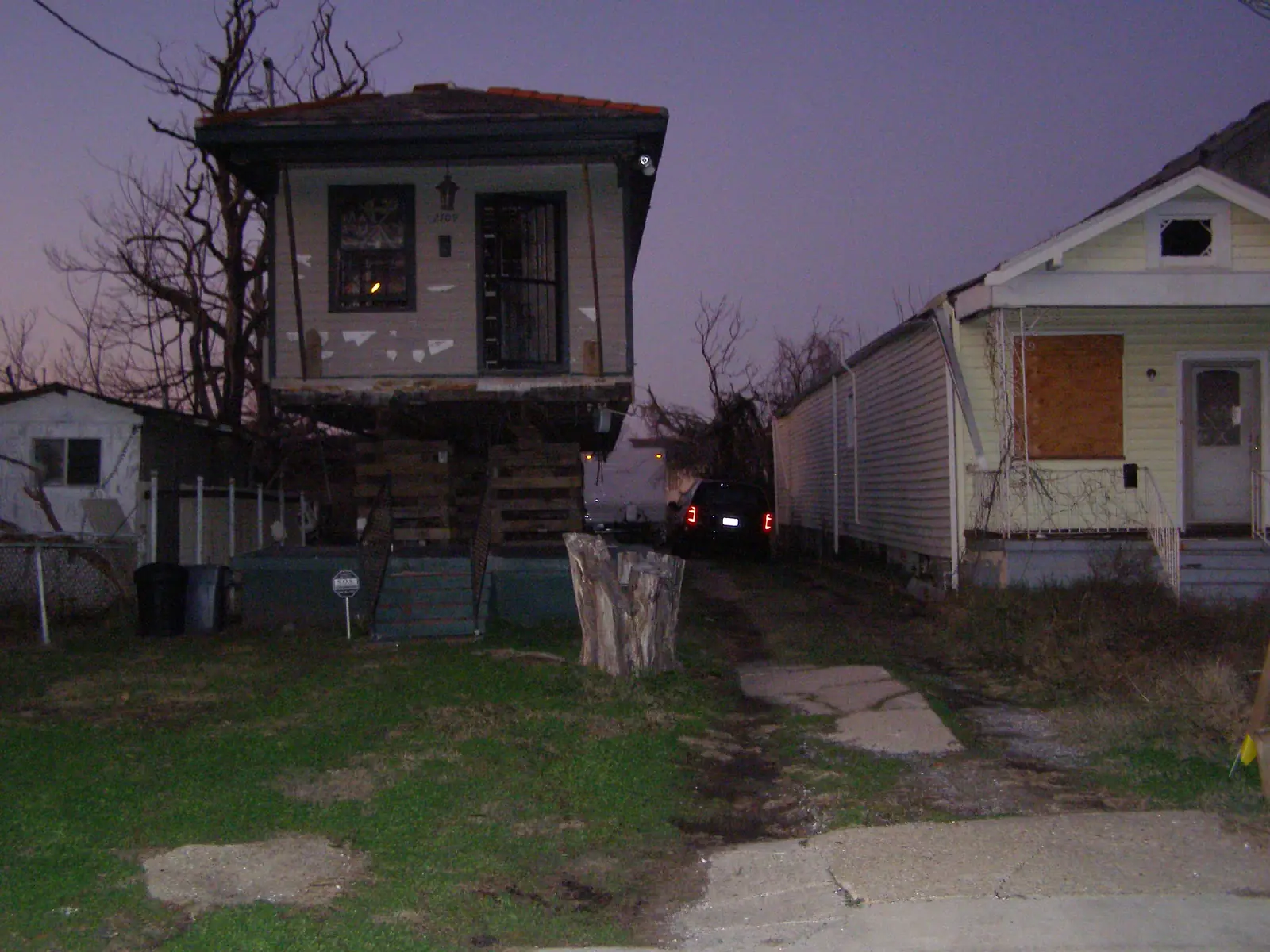
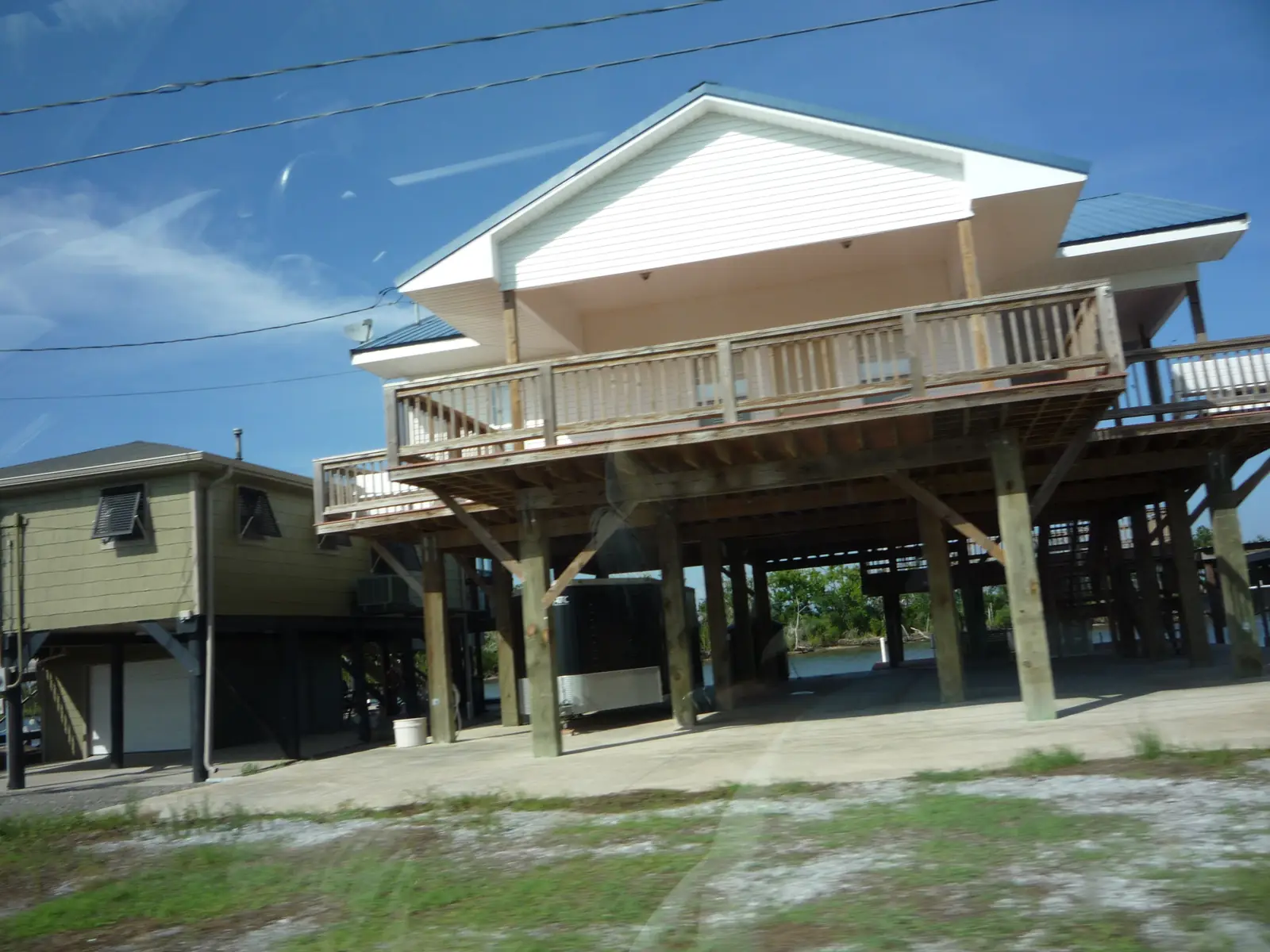
What the job covers
An elevation is more than jacking a house up. A typical scope looks like this; each contractor spells out its own in the written quote.
- Check the heightsThe target floor is set from your BFE, the permit office's rule and any grant standard, usually confirmed against an elevation certificate.
- Disconnect the utilitiesElectric, gas, water, sewer and HVAC lines are cut loose and capped so nothing tears when the house moves.
- Get steel under the houseThe crew separates the house from its old foundation and runs steel beams beneath the floor framing.
- Lift in stagesHydraulic jacks raise the house a little at a time, with timber cribbing stacked beneath it as it rises.
- Build the new foundationNew piers, pilings or columns go in at the new height, built to the plans the permit was issued on.
- Set it down and fasten itThe house is lowered onto the new foundation and tied down to it.
- Reconnect and finishUtilities are reconnected, equipment such as the AC unit is raised, and new stairs or a ramp are built. A final inspection follows, and often an updated elevation certificate.
When homeowners raise
Every situation below is a reason people request quotes. None of them is a ruling on yours; the parish and your program decide what's required.
The floor sits below base flood elevation
Homes in FEMA flood zones such as A, AE or VE with a lowest floor under the BFE flood first. Raising the floor above it is the point of the whole job.
The house flooded more than once
Repeated flood losses are one of the situations Terrebonne Parish's mitigation program has been set up for.
A storm did substantial damage
Homes substantially damaged by Hurricane Francine are covered by the parish's current program, which pays to elevate or to demolish and rebuild qualifying homes. Applicants must carry an NFIP policy.
A grant has been awarded
FEMA mitigation money (Flood Mitigation Assistance, or the Hazard Mitigation Grant Program through the parish) and Restore Louisiana come with height and paperwork rules. Contractors can quote work built to those rules.
You'd rather not wait for the next one
Plenty of owners raise on their own dime. The same heights, permits and license checks apply.
How high is high enough?
Elevation is measured against base flood elevation (BFE), the flood height FEMA's maps set for your lot. Restore Louisiana's standard is the highest of several heights, and one of them is BFE plus 2 feet.
Put in two numbers from your elevation certificate to see roughly where the new floor lands. The math is simple: target floor = BFE + freeboard; the lift is the target minus your floor today.
Example: with a BFE of 8 ft and a floor at 3 ft, BFE + 2 ft puts the target floor at 10 ft, about 7 ft up. Enter your own numbers above.
A rough guide, not a determination. Your parish permit office and any grant program set the height you must build to, and some require more than BFE + 2 ft. Advisory BFEs adopted after a storm can differ from the printed map. No certificate yet? A licensed surveyor makes one: see elevation certificates.
What to have ready
None of this is needed to ask for a quote. Having it makes the first visit faster and the quotes easier to compare.
- Your elevation certificate, if you have one
- Your FEMA flood zone (A, AE, VE, X)
- Your NFIP policy declarations page
- Grant letters or application numbers
- A survey or plat of the lot
- Square footage and number of stories
- Photos of each side of the house and underneath it
- What sits under or beside the house: AC units, water heater, tanks
- Driveway and access notes for equipment
- When you need it done, and any grant deadline
Permits, grants and rules
Check each one with the office named. Programs and windows change.
Building permit
Permits are issued by your local government, the parish or the city. Restore Louisiana can require more than local code, so a permit alone doesn't mean a grant job meets the program's standard.
Height
BFE comes from FEMA's flood maps and is sometimes replaced by an advisory BFE after a storm. Restore Louisiana's standard is the highest of several heights, including BFE + 2 ft. Terrebonne's earlier program required the parish's adopted advisory BFE; ask the parish what applies now.
Grants
Terrebonne Parish's current mitigation program, funded through FEMA Flood Mitigation Assistance and the federal infrastructure law, covers elevating or demolishing and rebuilding homes that were substantially damaged by Hurricane Francine, flooded repeatedly, or are at risk and carry flood insurance. Applicants must hold an NFIP policy. Apply through the parish; we can't tell you whether you qualify.
Slab homes
Restore Louisiana will not fund elevating a slab-on-grade house. See slab homes and elevated rebuilds.
Contractor license and insurance
Ask for the contractor's Louisiana license number and look it up with the Louisiana State Licensing Board for Contractors (LSLBC). Ask for proof of liability insurance and workers' compensation.
Before digging
New piers mean digging. Ask the contractor to have buried lines marked through Louisiana 811 first.
House elevation questions
- Usual target: BFE plus freeboard, or more
- Paperwork: permit, elevation certificate, grant forms
- Cost to ask: nothing
How high will my house go?
High enough to meet the strictest rule that applies to you: the parish's required height for your lot, and any grant program's standard. Restore Louisiana's standard is the highest of several heights, including base flood elevation plus 2 feet. Your elevation certificate and the permit office give you the numbers.
Can I stay in the house while it's raised?
Ask each contractor how long utilities will be off and when you can move back in. It depends on the house and the job, so get the plan in writing with the quote.
How long does house elevation take?
It varies with the house, the foundation and the height. Ask for a written schedule. On grant-funded jobs, approvals and inspections set much of the timeline, so build those into your plans.
Will a grant cover the whole cost?
Read your award letter for what the program pays and what you pay. Ask contractors to price to the program's scope so the numbers line up. We can't tell you whether you qualify or how much a program will pay.
Who pulls the permit?
Ask whether the quote includes pulling the building permit from the parish or city, and get the answer in writing. Permits are issued locally, and a grant program can require more than local code.
Can a slab house be raised?
Restore Louisiana will not fund elevating a slab-on-grade house, and slab homes are generally demolished and rebuilt on a raised foundation instead. See slab homes and elevated rebuilds.
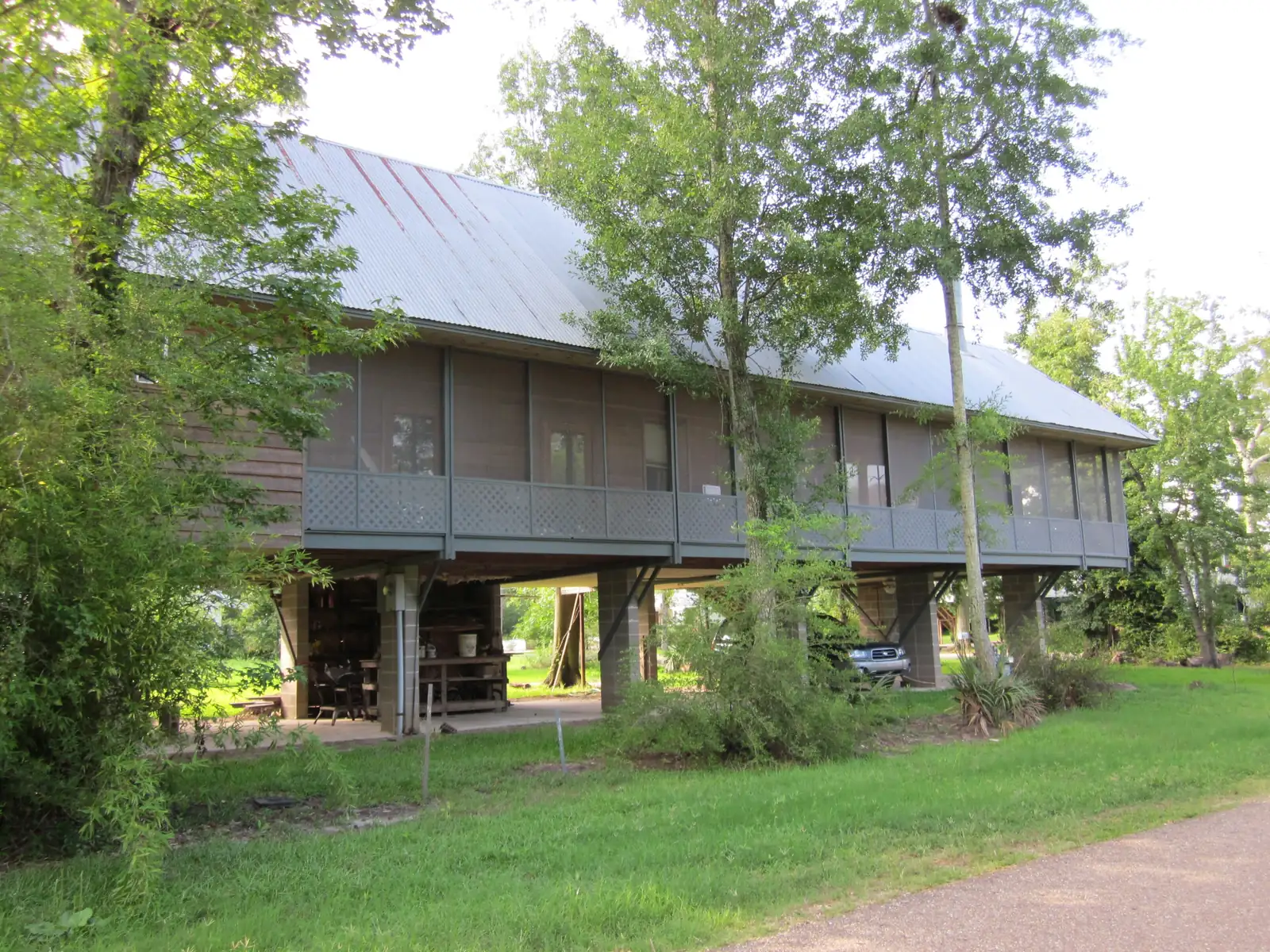
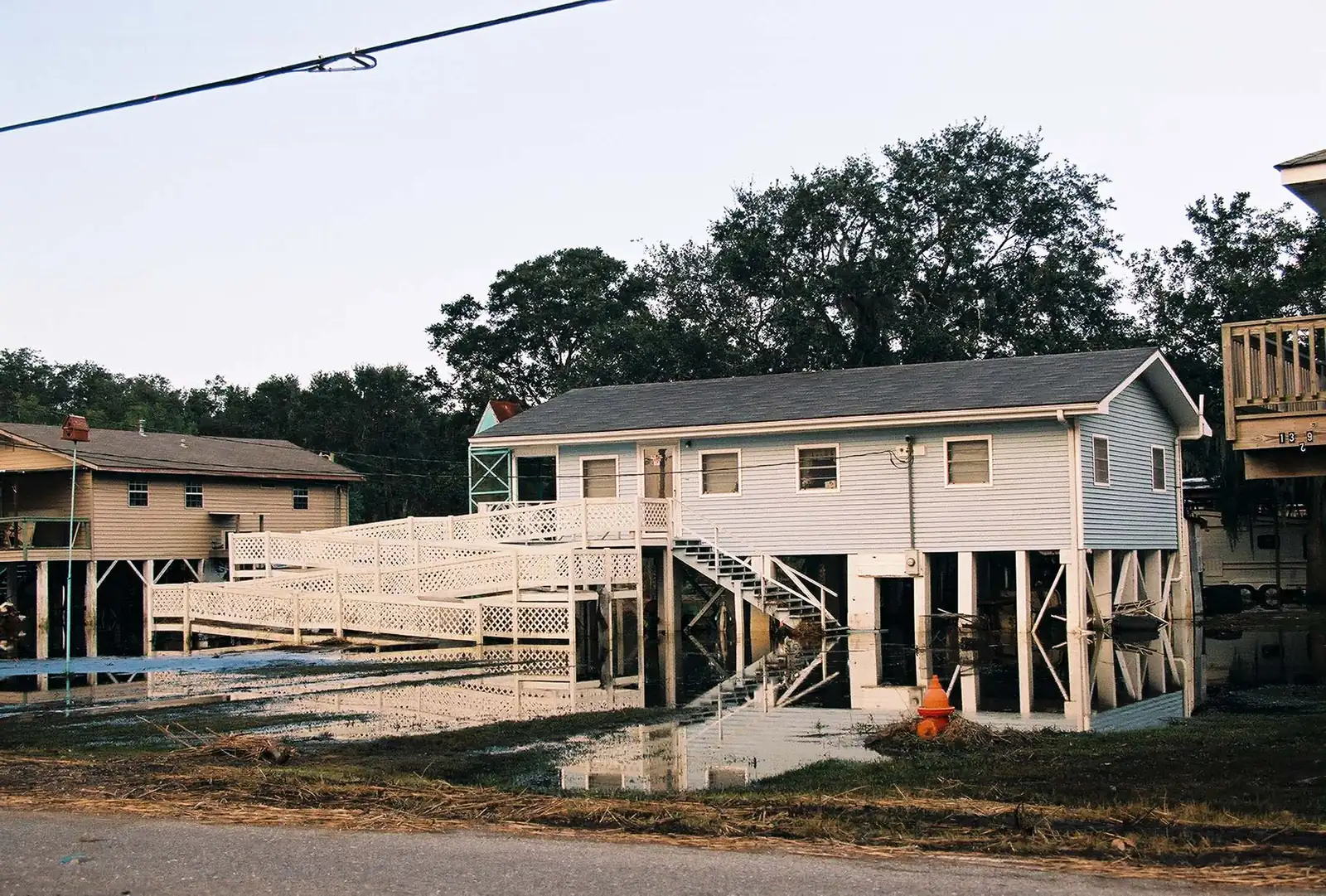
Other work on the house
- House lifting for repairsLift it, fix what's underneath, set it back down.
- House levelingSagging floors and doors that stick.
- Pier and beam repairRotted piers, beams and sills replaced.
- Slab homes and elevated rebuildsWhen lifting isn't the route.
- Elevation certificatesLowest floor and BFE, surveyed.
- Service areasTerrebonne and Lafourche towns.
Quotes to raise your house
Tell us about the house and contractors who raise homes in Terrebonne and Lafourche quote you directly, or message us on WhatsApp.
Free to request, no obligation. We pass your request to independent, licensed and insured local contractors. We can't tell you whether you qualify for a grant; contractors can quote work built to your program's rules.
Prefer email? Email us
We pass your request to independent local contractors who quote you directly. Read our privacy note.